Share
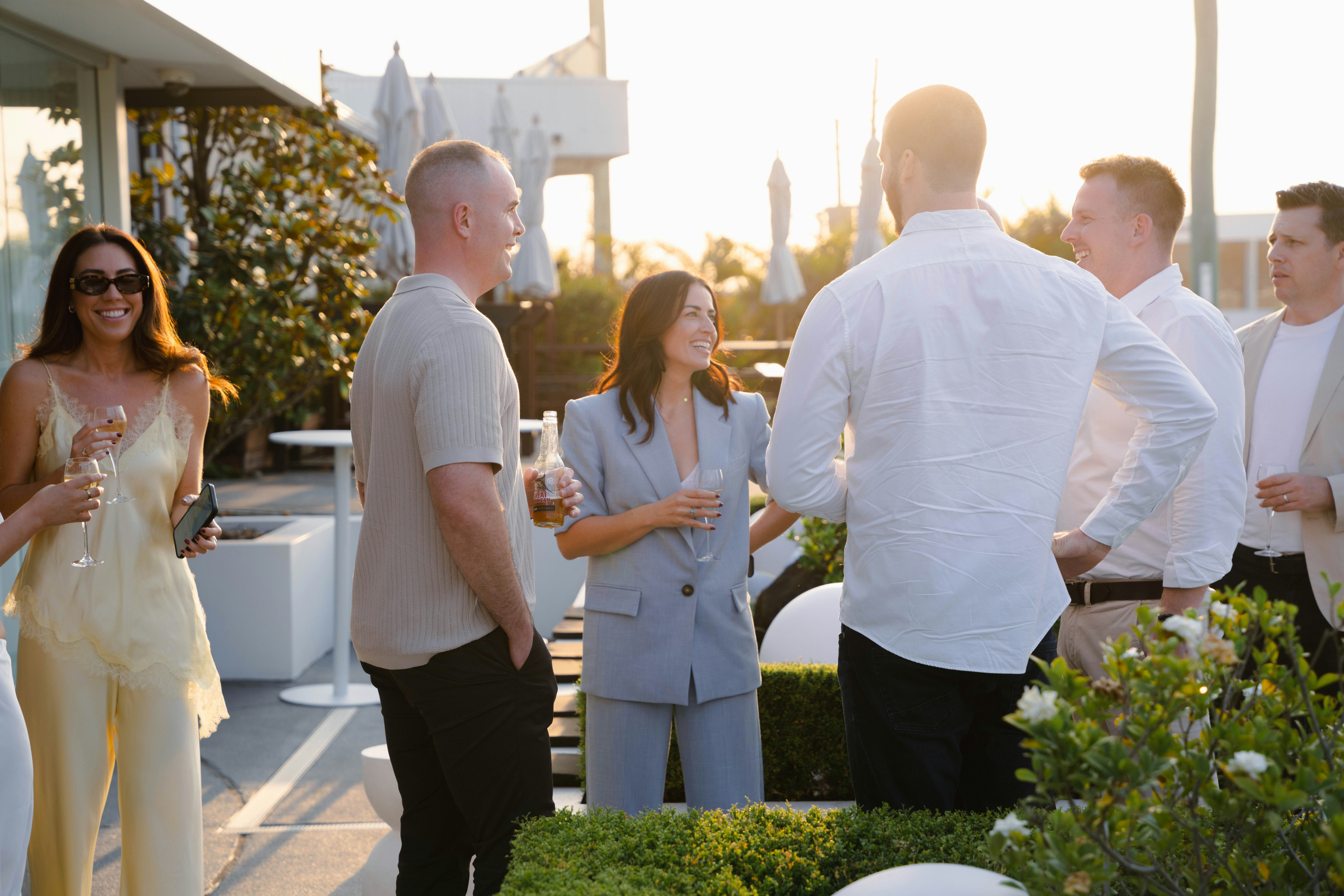
On Friday the 29th of April, we welcomed a room full of developers, consultants, planners, marketers and industry leaders to Evra Restaurant for Beyond The Building, an afternoon dedicated to exploring one of the most important questions facing residential development today. If housing demand is so strong, what actually creates pricing power? It's a timely question.


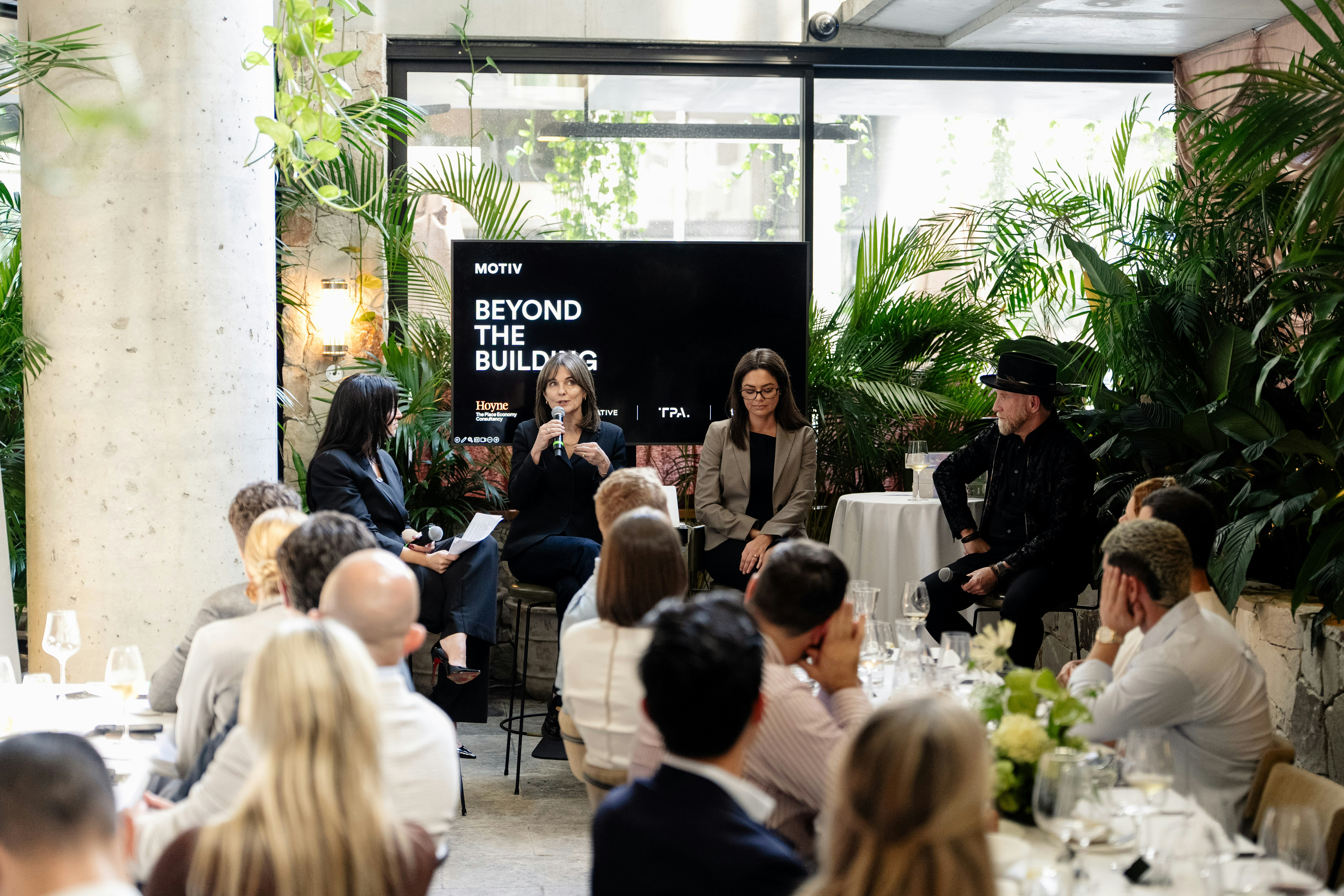
Australia continues to grapple with housing shortages, population growth and increasing pressure to deliver supply. Yet despite these conditions, not every project succeeds equally. Some developments generate strong demand, command premium pricing and foster genuine buyer connection, while others struggle to differentiate themselves.
The purpose of Beyond The Building was to unpack why.


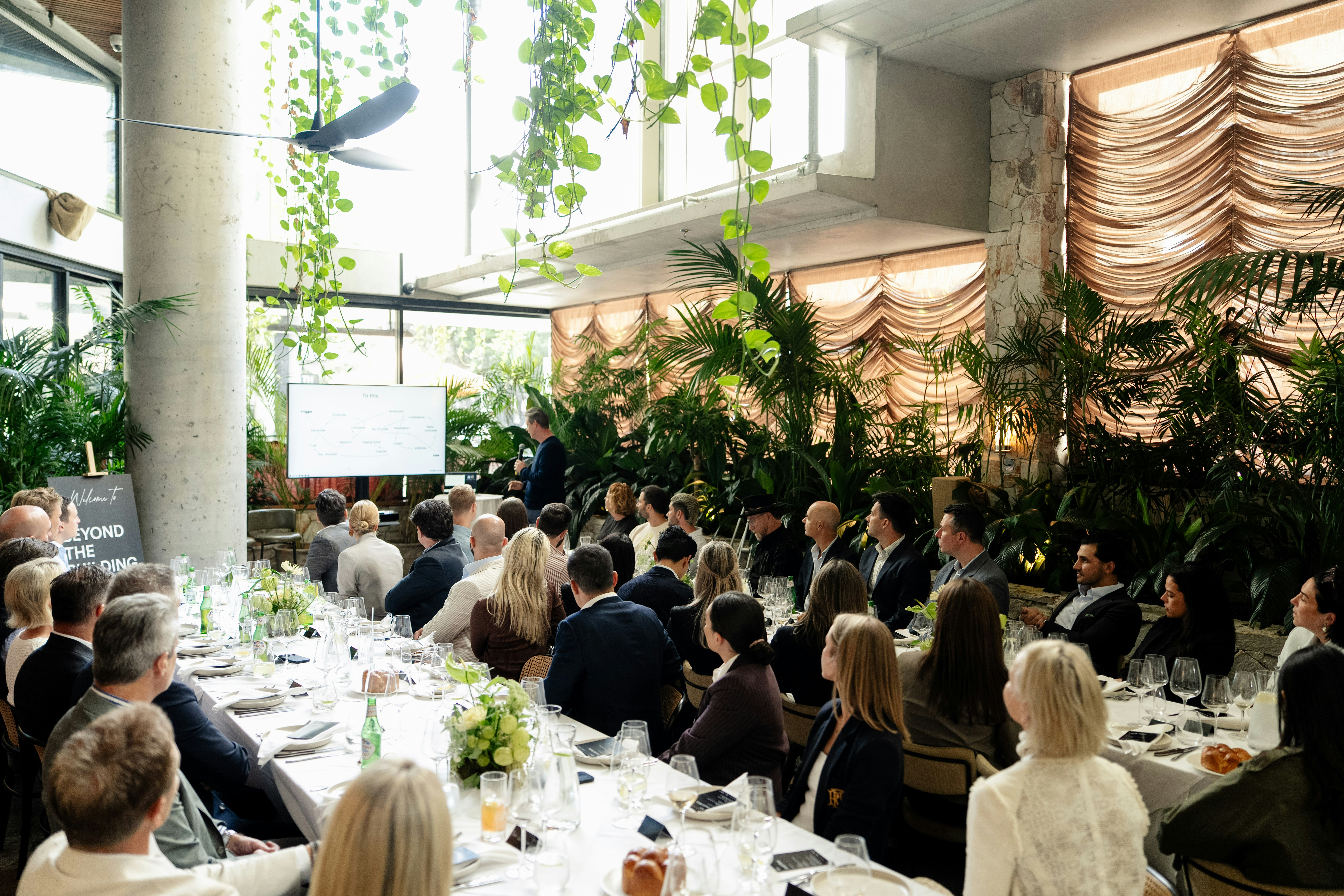
The afternoon began with a keynote presentation from Lewis Stewart, Head of Media at Today Media, who challenged many of the assumptions that continue to shape the way our industry approaches sales and marketing. Drawing on consumer behaviour data and evolving media trends, Lewis explored how dramatically the buyer journey has changed over the past decade. Buyers are no longer moving through a simple path from advertisement to enquiry to purchase. Instead, they are spending significantly longer researching, comparing, validating and revisiting decisions before committing.
One insight resonated strongly throughout the room.
Developers are no longer simply competing against other projects.
They're competing against distraction.
Consumers are exposed to thousands of marketing messages every day, making relevance more important than visibility alone. Lewis challenged attendees to think differently about how developments are presented to the market, arguing that the industry's focus must shift from simply showcasing buildings to helping buyers imagine the life they could live within them.


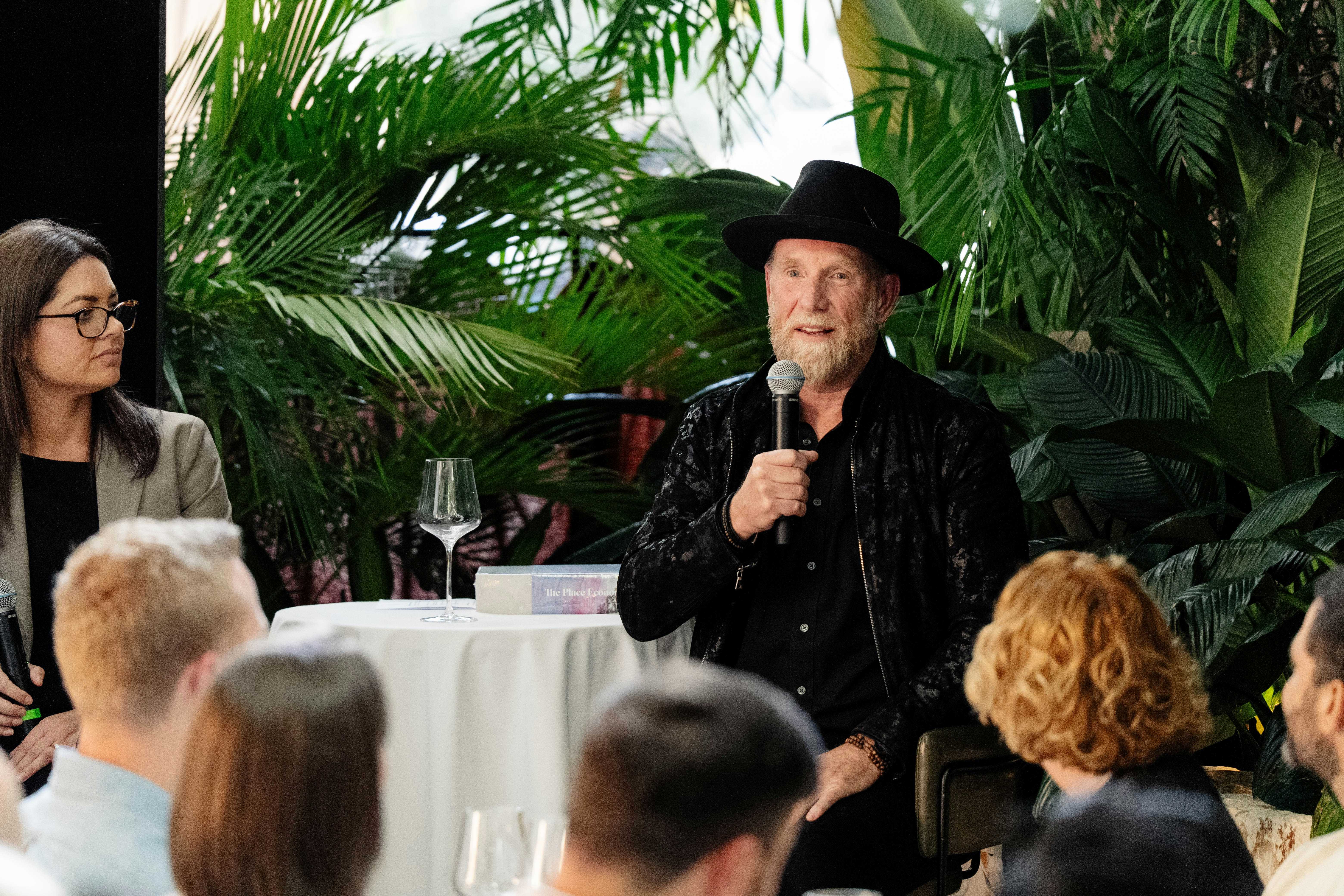
The keynote set the scene for a thought-provoking panel discussion featuring Andrew Hoyne, Marie-Louise Theile and Cherie Hill, each bringing a unique perspective on place, community and the future of residential development.
A recurring theme throughout the discussion was that buyers are increasingly purchasing far more than an apartment.
They're purchasing a lifestyle.
Andrew Hoyne explored the distinction between creating a product and creating a place, highlighting why some neighbourhoods develop a powerful emotional connection with residents while others remain purely transactional. The conversation challenged attendees to consider whether the industry's definition of "premium" still aligns with what consumers actually value today.
Drawing on her experience helping shape some of Brisbane's most successful lifestyle destinations, Marie-Louise Theile shared insights into the role of curation, hospitality and activation in creating places people genuinely want to spend time in. The discussion reinforced that successful precincts don't happen by accident. They are carefully considered ecosystems that foster connection, identity and belonging.
From a planning perspective, Cherie Hill addressed the growing challenge of balancing the need for increased housing supply with the creation of high-quality urban environments. As cities continue to grow, the discussion explored how planning frameworks, policy settings and development decisions can either support or undermine long-term place outcomes.
While each speaker approached the topic from a different perspective, there was a clear thread connecting the entire afternoon.
Consumers have become increasingly sophisticated.
Today's buyers are evaluating amenity, wellness, walkability, convenience, community and identity alongside the physical product itself. They are seeking places that support the way they want to live, not simply somewhere to reside.
For our industry, this presents both a challenge and an opportunity.
While demand fundamentals remain strong, demand alone no longer guarantees success. The projects creating the strongest outcomes are often those that understand their audience, foster emotional connection and deliver a compelling experience beyond the built form.
As the afternoon concluded, one message remained clear.
The future of residential development isn't simply about delivering more housing.
It's about creating places people genuinely want to belong to.

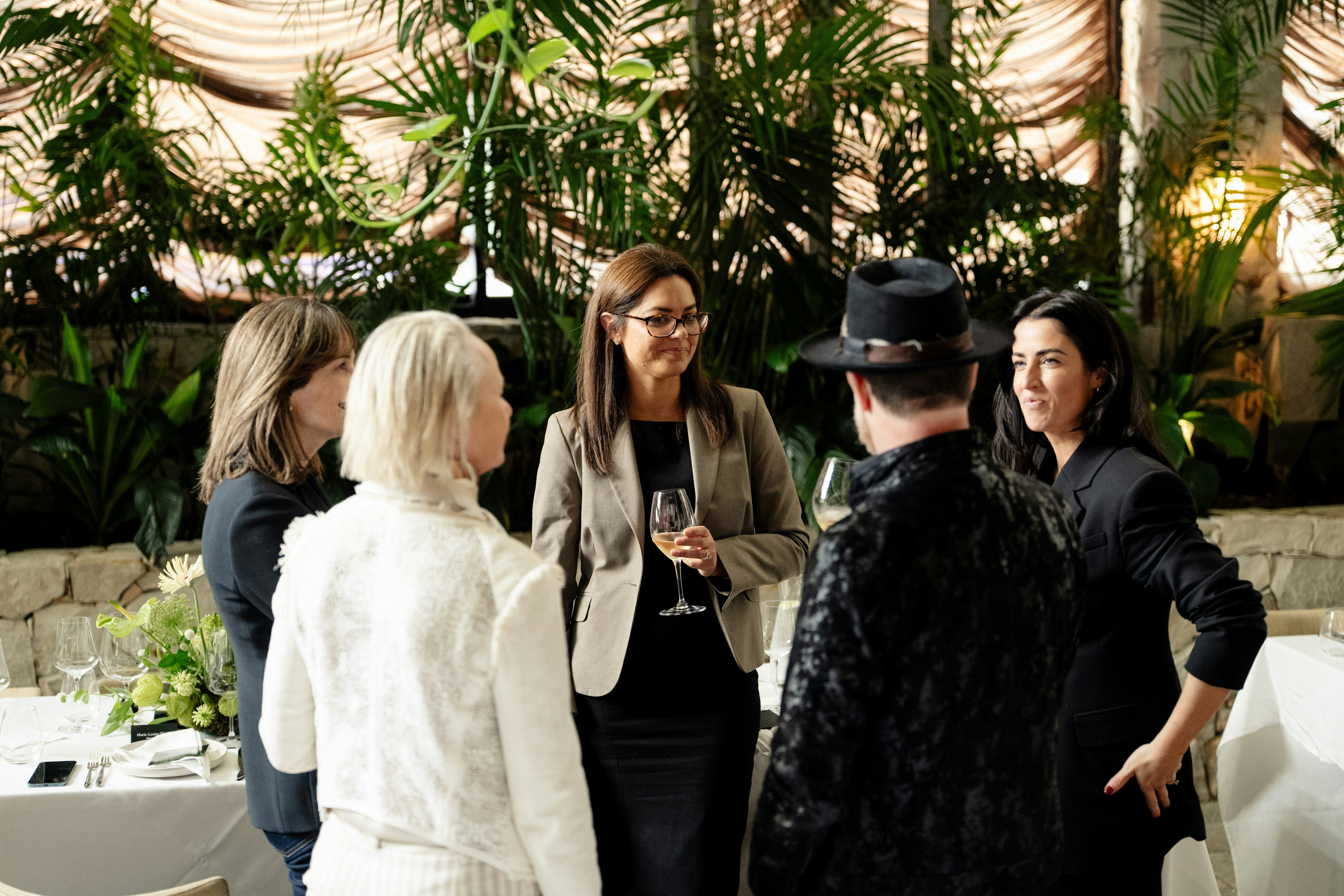
A sincere thank you to our speakers, Andrew Hoyne, Marie-Louise Theile, Cherie Hill and Lewis Stewart, for generously sharing their perspectives and challenging us to think differently.

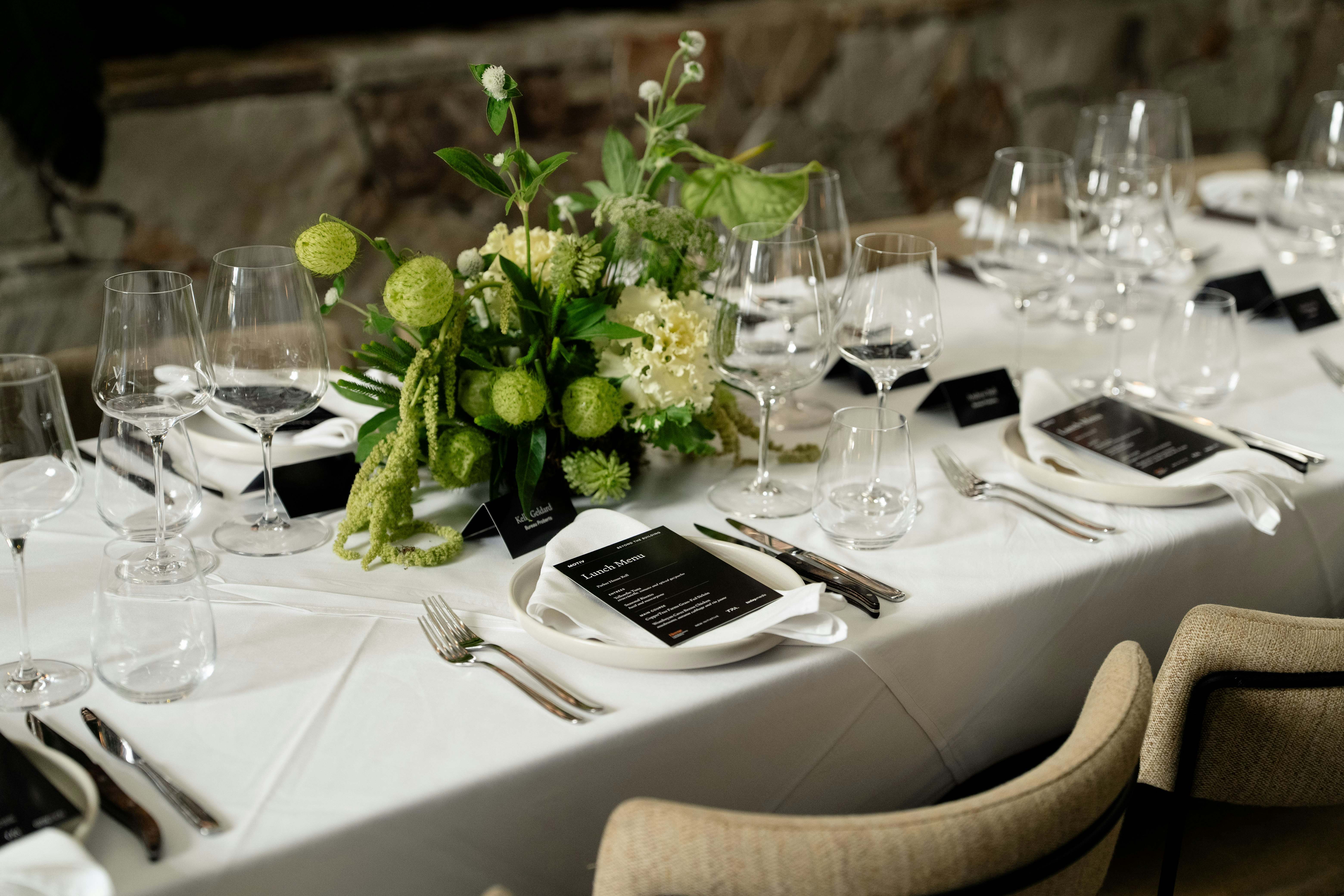
We would also like to thank the team at Evra Restaurant for hosting us and helping create the perfect setting for an afternoon of meaningful conversation and industry connection.
Most importantly, thank you to everyone who joined us. The engagement, discussion and ideas shared throughout the room reinforced exactly why these conversations matter.
Because the projects that will thrive in the years ahead won't simply be those that respond to demand.
They'll be the ones that create it.